Outlet Installation in Port St. Lucie, FL
Running out of outlets — or running extension cords where you shouldn't? We add new electrical outlets in the locations your home actually needs them: kitchens, bathrooms, home offices, garages, and outdoors, wired to code with the right protection for each spot.
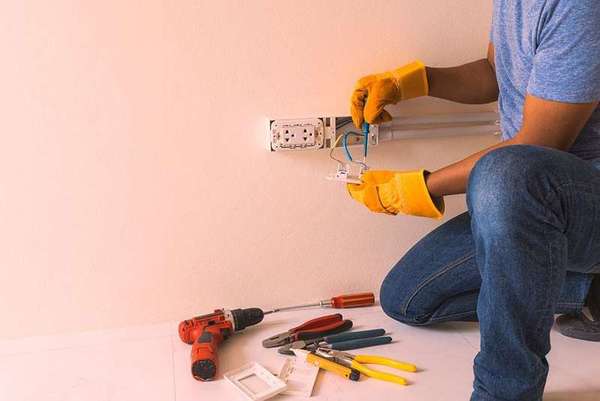
Where Homeowners Ask Us to Add Outlets
Most homes were wired for the way people lived when they were built — not for today's kitchens, home offices, and outdoor living. These are the additions we install most often across Port St. Lucie, Fort Pierce, Stuart, Jensen Beach, and Palm City.
Home offices & desks
Dedicated outlets with surge-friendly placement for computers, monitors, printers, and chargers — positioned where the desk actually sits, not across the room.
Kitchens
Additional countertop receptacles with GFCI protection for small appliances, plus dedicated circuits where the load calls for it.
Bathrooms
GFCI-protected outlets near vanities for hair dryers and grooming tools — a code requirement in modern bathrooms.
Garages & workshops
Extra receptacles at workbench height, GFCI-protected, for tools, chargers, and equipment that older garages were never wired for.
Outdoor living
Weather-resistant, GFCI-protected outlets for patios, lanais, pool equipment areas, and holiday lighting — in weatherproof enclosures rated for Florida's rain.
Bedrooms & living areas
Conveniently placed outlets that eliminate extension cords behind beds, nightstands, and entertainment centers.
GFCI & AFCI: The Protection Each Location Requires
Adding an outlet is not just cutting a hole and connecting wires. The electrical code requires specific protection depending on where the outlet goes — and getting it right is a safety issue, not a technicality.
| Location | Required protection |
|---|---|
| Kitchens (countertop areas) | GFCI protection |
| Bathrooms | GFCI protection |
| Garages | GFCI protection |
| Outdoors | GFCI protection + weather-resistant outlet and cover |
| Laundry & utility areas | GFCI protection |
| Bedrooms & living areas | AFCI protection (arc-fault), tamper-resistant outlets |
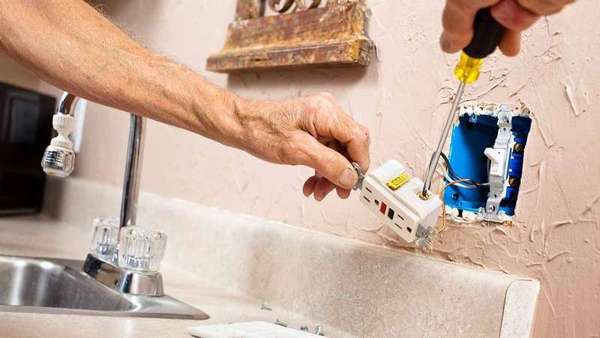
What GFCI actually does
A ground-fault circuit interrupter watches for current leaking where it should not — for example, through water or a person — and shuts off power in milliseconds. That is why it is required anywhere water and electricity might meet. An ordinary outlet in a bathroom or kitchen is not just a code violation; it is a shock hazard.
USB and specialty outlets
We also install USB-A/USB-C combination outlets that charge devices directly without adapters, tamper-resistant outlets (now standard for child safety), and 20-amp receptacles for heavier loads. Tell us how you will use the outlet and we will match the device to the job.
How an Outlet Installation Works
A clean installation is planned before any drywall is cut. Here is the process.
Placement and circuit check
We confirm the best location for the new outlet and verify the circuit has capacity — checking the breaker size, wire gauge, and existing load so the addition does not overload anything.
Wiring path
We plan the least invasive route for the new wiring — through attics, crawl spaces, or inside walls — to keep patching minimal and the finished look clean.
Box, device, and protection
The outlet box is set, the device is wired with proper terminations, and the required GFCI or AFCI protection is installed for that location.
Test and verify
Every new outlet is tested — correct wiring, proper voltage, working GFCI/AFCI trip function — before we call it done.
All installation work is performed under Florida Electrical License #ER13016161, to the Florida Building Code and National Electrical Code. Permits are pulled where the jurisdiction requires them.
Outlet Installation FAQs
How many new outlets can be added to one circuit?
It depends on the circuit's amperage, wire size, and what will be plugged in — not just the number of outlets. A general-purpose 15- or 20-amp circuit can serve multiple receptacles, but high-draw devices need dedicated circuits. We check capacity before adding anything, so the new outlets do not overload the circuit.
Do kitchen outlets need GFCI protection?
Yes — countertop receptacles in kitchens require GFCI protection under the electrical code. Any new kitchen outlet we install includes it, and we can bring existing non-GFCI kitchen outlets up to standard as well.
What is a tamper-resistant outlet?
A tamper-resistant receptacle has built-in shutters that only open when both plug prongs are inserted evenly — preventing children from inserting objects into the slots. They are required by current code in most residential locations and are standard in our installations.
Can you add an outlet on my patio or lanai?
Yes. Outdoor outlets must be GFCI-protected, weather-resistant rated, and installed in a weatherproof enclosure. Florida's rain and humidity make proper outdoor-rated components essential — an indoor outlet outside will corrode and fail.
Do I need a permit to add outlets?
Adding new outlets or circuits generally requires a permit in Port St. Lucie and surrounding jurisdictions. We handle the permit application under our license where required, so the work is inspected and documented.
Are USB outlets worth it, or should I just use adapters?
USB combination outlets free up both receptacle slots while charging phones and tablets directly — convenient at nightstands, desks, and kitchen counters. They cost more than a standard outlet but eliminate the clutter of plug-in adapters. We install them wherever customers want built-in charging.
Can you add an outlet where there is no existing wiring nearby?
Usually yes. We route new wiring from the panel or the nearest suitable circuit through the attic, crawl space, or walls. The feasibility depends on access and distance — we assess that during the estimate visit and give you an honest answer before any work begins.
My outlet is broken — is that installation or repair?
Fixing an existing outlet that is dead, sparking, loose, or warm is a repair job. This page covers adding brand-new outlets where none existed. If you need an existing outlet fixed, call (561) 552-3753 and describe the symptoms.
Service Areas
New outlet installation throughout the Treasure Coast:
- Port St. Lucie
- Fort Pierce
- Stuart
- Jensen Beach
- Palm City
Request an Estimate
Tell us where you want new outlets and what you will plug into them. For urgent electrical problems, call (561) 552-3753 — 24/7 emergency service.
Company Information
- Service provider
- Florida Electrical and Fire Alarm LLC
- Phone
- (561) 552-3753
- License
- Florida Electrical License #ER13016161
- Hours
- Monday–Saturday 8 a.m.–5 p.m.; 24/7 emergency service
- Service areas
- Port St. Lucie, Fort Pierce, Stuart, Jensen Beach, Palm City (service-area business — no storefront)